INTERIOR
How to Protect Wooden Furniture from Drying Out and Damage
· 4 min read
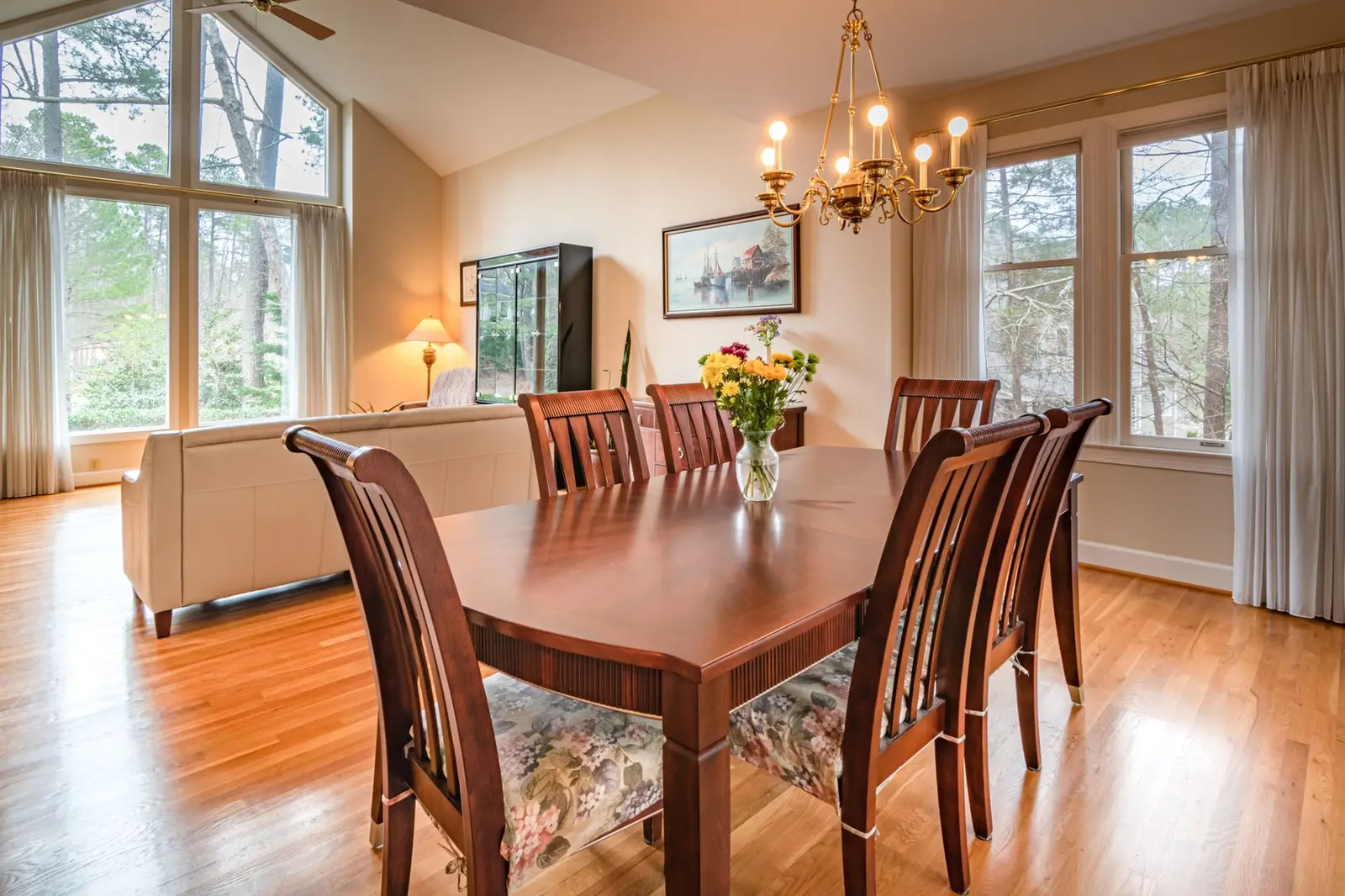
Natural wood furniture adds unmatched warmth and elegance to an interior, but as a living material, it requires constant care. In regions where the climate varies noticeably, wooden pieces often endure sharp fluctuations in temperature and humidity. Dry winter air and central heating cause the material to dry out, while high humidity leads to swelling and warping. Proper furniture care and simple preventive measures will help your favorite dining table, dresser, or bed retain its original beauty for decades.
1. Balancing Humidity and Temperature in the Room
Wood is a hygroscopic material, meaning it absorbs moisture from the environment just as easily as it releases it. When indoor air becomes excessively dry, wood begins to shrink, resulting in splits and surface cracks.
- Maintain optimal room humidity between 40% and 60%. During winter, when heating radiators run continuously, using an air humidifier is your best solution. Quality humidifiers generally cost between 80 and 200 GEL on the market.
- Keep wooden furniture away from heating appliances. Maintain a minimum distance of at least one meter between a radiator and a wooden table or cabinet.
- Shield surfaces from direct sunlight. Ultraviolet rays fade lacquer finishes and dry out the wood, so consider using sheer curtains or blinds on nearby windows.
2. Daily Surface Cleaning Without Costly Mistakes
Improper cleaning products are often the primary cause of damage to wooden furniture. Harsh chemicals containing alcohol, acetone, or ammonia can strip away protective wax and lacquer in seconds.
To remove daily dust, a soft, dry or slightly damp microfiber cloth is more than enough. If a greasy spot appears, use lukewarm water with a few drops of mild baby soap. Dry the surface immediately with a second clean, dry cloth, as standing water droplets can leave stubborn white rings beneath the finish.
Never use glass cleaners or multipurpose aerosol sprays on wooden surfaces, as they degrade the wood's natural luster and leave a cloudy film.
3. Regular Nourishment with Oil and Wax
If your furniture is treated with oil or wax rather than a thick coat of polyurethane varnish, it needs periodic nourishment. This conditioning fills the wood pores and protects it from moisture penetration.
- Apply natural beeswax or specialized mineral oil for wood furniture once or twice a year. Dedicated conditioners can be purchased at home improvement and hardware stores for around 20–50 GEL.
- Rub a thin layer of oil in the direction of the grain, let it sit for 20–30 minutes so the wood absorbs what it needs, and wipe off any excess with a clean cotton rag.
- Buffing with circular motions using a dry cloth will restore a rich, silky sheen to the wood.
4. Preventing Mechanical Damage
Dining tables and coffee tables experience the heaviest daily wear and tear. Hot cookware, wet glasses, and sharp objects can leave unsightly marks on the surface.
Always use trivets or heat pads under hot teapots and plates. Direct contact with heat melts the wood finish and leaves difficult-to-remove white rings. Place cork or fabric coasters under drinks to prevent condensation from seeping into the grain.
If a minor scratch does appear, it can easily be concealed with a specialized wax repair stick matched to the wood's color. These touch-up sticks typically cost 10–15 GEL and are readily available at local hardware stores.
5. Checking Hardware and Joints
Because wood expands and contracts with shifting humidity levels, its structure naturally shifts over time. As a result, chair legs, table fasteners, and wardrobe hinges may loosen.
Once a year, inspect and tighten all screws and hardware. This simple habit prevents wobbling, structural warping, and cracked wooden joints. If you need to rearrange your furniture, never drag it across the floor, as this puts immense stress on the joints. Lift the piece entirely, or attach soft felt pads to the bottom of the legs to protect both your flooring and the furniture's frame.
With mindful use and minimal monthly attention, your wooden furniture will serve your household faithfully for generations, remaining the centerpiece of your home.