INTERIOR
How to Choose a Sofa Based on Living Room Size
· 4 min read
When shopping for new upholstered furniture, choosing the wrong dimensions is one of the most common pitfalls. A sofa that looks stunning in a showroom or an online catalog can feel completely different in your actual space: it can easily overwhelm a small room or get visually lost in an expansive one. To ensure your interior remains functional and comfortable, tailor your sofa's dimensions directly to your room's square footage and layout.
Preliminary Measurements and Essential Rules
Before heading to the furniture store, accurate spatial preparation is essential. A standard design rule of thumb states that furniture should not occupy more than two-thirds of a room's total area, ensuring free and comfortable movement.
- Measure wall length and width: Note not only the length of the wall where the sofa will sit, but also the height of window sills and the placement of radiators.
- Leave clearance for walkways: Keep at least 60–80 cm of open space between the sofa and other furniture, such as a coffee table or media console.
- Factor in door swing clearance: Ensure the sofa will not obstruct interior doors or access to the balcony.
- Check hallways, stairwells, and elevators: It is surprisingly common for a large sectional to simply not fit through the front door or elevator. Compare the sofa's packaging dimensions with your building’s doorways, staircases, and elevator measurements.
Choosing the Right Size by Room Area
Apartment layouts vary widely—from compact rooms in older residential buildings to modern open-concept floor plans. Here are practical guidelines for different living room sizes.
Small Living Rooms (12–15 sq.m)
In a compact space, saving floor area is the top priority. A bulky sectional will clog the primary walkways. The optimal choice is a streamlined two-seater loveseat with a length of 160 to 190 cm and a depth of no more than 80–85 cm.
To keep the room feeling visually light, choose a model elevated on tall, slender legs. Showing more open floor adds an airy, expansive feel. Quality sofas of this type on the local market generally range from 900 to 1,800 GEL, depending on the upholstery and construction.
Medium-Sized Living Rooms (16–25 sq.m)
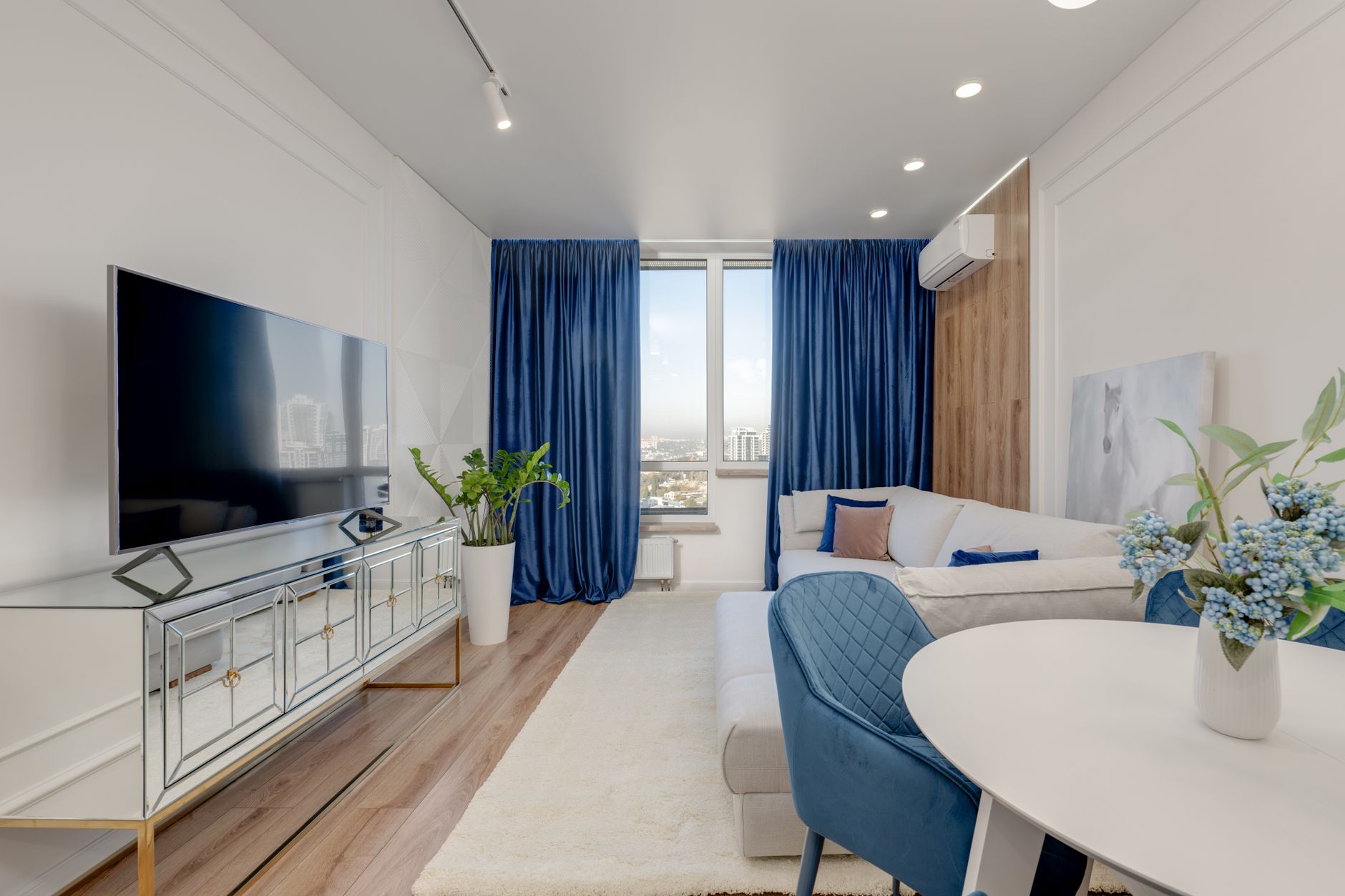
This is the most common living room size in urban apartments. It easily accommodates a standard three-seater straight sofa (200–240 cm in length) or a compact L-shaped sectional. When opting for a sectional, ensure the chaise extension does not block the entrance to the room.
If you frequently host guests, look for a sleeper sofa with built-in storage for bedding. Reliable convertible models typically range between 1,500 and 3,000 GEL.
Large Living Rooms and Studio Spaces (25+ sq.m)
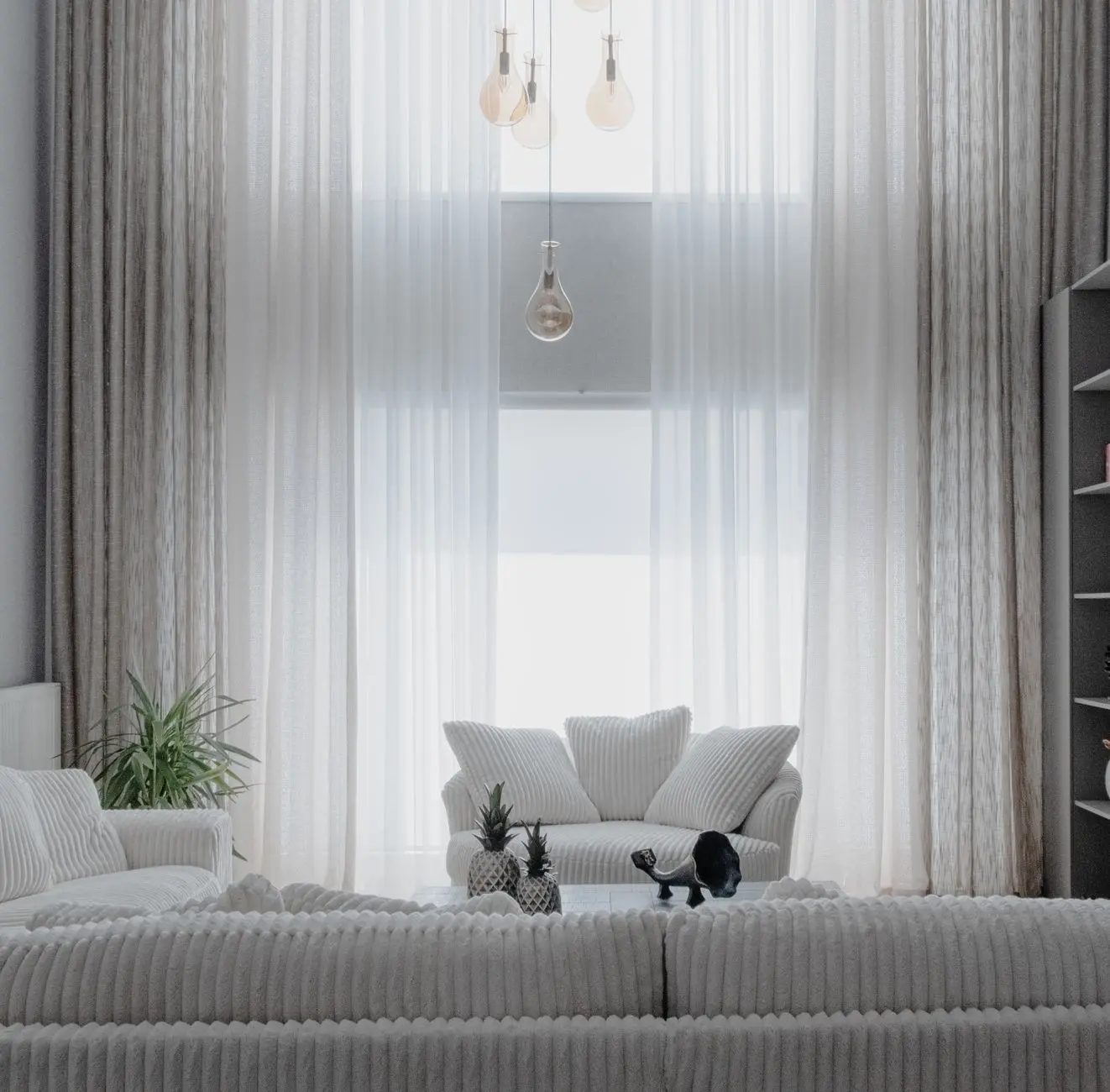
In a spacious living room or an open-plan kitchen and living area, a petite sofa will look lost and out of proportion. A substantial U-shaped sectional or a modular seating system works best here. Modular units give you the flexibility to reconfigure sections as needed and help zone the space—for example, delineating the lounge area from the dining room.
Large modular setups often span 280 to 350 cm in length, with prices ranging from 2,500 to over 5,000 GEL depending on fabric grade and the number of modules.
A Practical Trick: Outline the Sofa on the Floor
To avoid costly mistakes, try this simple trick: before buying, take painter's tape and outline the exact length and width of the sofa directly onto the floor. Walk around this taped silhouette for two or three days. It will give you a clear, realistic sense of how much physical and visual space the piece will occupy, and whether it will interfere with walkways or your TV viewing angle.
Whenever you shop for upholstered furniture, always ask about the frame construction—look for sturdy solid wood or metal frames—and make sure to check the fabric's abrasion resistance and durability rating.